Wednesday, September 9, 2026

Wednesday, March 5, 2025
Experience an Unforgettable Easter Safari with Northern Circuit Adventure! 🦁🌿
Are you looking for a unique way to celebrate Easter this year? Instead of the usual holiday routine, why not embark on a breathtaking Tanzania safari with Northern Circuit Adventure? 🦓✨
This Easter, trade city streets for the vast savannas, wake up to the calls of the wild and witness some of Africa’s most spectacular wildlife in their natural habitat. Whether you're a solo traveler, a couple, or a family looking for an exciting holiday, our Easter Safari Packages are designed to give you an unforgettable experience.

🌍 Top Destinations to Explore This Easter:
🌿 Why Choose Northern Circuit Adventure?
🦓 Limited Easter Deals Available – Book Now!
Easter is one of the best times to visit Tanzania, with great weather, lush landscapes, and abundant wildlife. Don’t miss the chance to experience Africa’s beauty this holiday season!
Monday, February 10, 2025
A Day Trip to a Maasai Village – Step into the Heart of East Africa’s Iconic Culture
✨ Looking to add a cultural highlight to your Tanzania safari? A visit to a Maasai village offers an incredible opportunity to engage with one of Africa’s most famous indigenous communities. From their striking red shukas to their rhythmic warrior dances, the Maasai have preserved their rich traditions for generations.
What
to Expect on Your Maasai Village Visit

On this immersive half-day
cultural experience, you’ll be welcomed into a traditional manyatta
(village) and learn about their customs, ceremonies, and deep connection to
nature.
A
Glimpse Into Your Maasai Adventure
1️⃣ AWarm
Traditional Welcome
The moment you arrive, you’ll be
greeted with lively songs and dances performed by Maasai warriors. Feel
free to join in the famous “jumping dance” (adumu)—a test of strength
and endurance among the warriors!
2️⃣ Step Inside a
Maasai Home (Boma)
Experience daily life in a Maasai
homestead, built using mud, sticks, and cow dung. Hear from the village
elders about their age-old traditions, including their warrior
initiation rites and how they thrive in the wild landscapes of Tanzania.
3️⃣ Cultural
Activities & Hands-On Learning
4️⃣ Optional: Support
the Maasai Community
Before you leave, explore the local
Maasai craft market, where you can purchase beautiful handmade souvenirs
like beaded necklaces, bracelets, and traditional spears. Buying directly from
the artisans helps support the community and preserve their heritage.
Tour
Details & Pricing
- $50 per person (includes village entry, guided tour, and
activities).
- Children under 12: $30 per child.
- Transport: Available upon request (cost depends on
location).
Book
Your Maasai Village Experience Today!
📩 Inspired by this cultural
journey? Click below to organize your dream safari and Maasai visit!
Wednesday, January 15, 2025
Pangani and Tanga: Coastal Gems of Tanzania

Pangani Village: Where History Meets Serenity
Located 52 kilometers south of Tanga, Pangani is a tranquil village perched where the Pangani River flows into the Indian Ocean. This picturesque location is steeped in history and surrounded by pristine natural beauty.
Historical Charm
Pangani’s rich past is evident in its weathered yet captivating old Arab houses and colonial architecture, remnants of a once-prosperous trading hub. The village played a significant role during the 19th century as a port for the ivory and slave trade, and it was here that Bushiri, a leader in the Arab Revolt of 1888–1889, was captured and executed. The history of Pangani is intertwined with the river that served as both a trade route and a natural refuge for dhows during the suppression of the slave trade.
Natural Attractions
- Pristine Beaches:
Pangani boasts a variety of beautiful beaches, from the serene Ushongo Beach with its white sands and swaying coconut palms to the quieter resorts north of town. Ushongo Beach, in particular, offers warm waters perfect for swimming even at low tide, and its smooth sands are ideal for cycling along the shore. - Marine Activities:
Nearby coral reefs and marine reserves make Pangani a great destination for snorkeling and diving. Sea turtle nesting sites add to its ecological charm.
Local Culture and Community Tourism
The Pangani Coast Cultural & Eco-Tourism Program (PCCT) connects visitors to the local Swahili community through cultural tours, cooking classes, and visits to nearby fishing villages. This initiative offers unique, interactive experiences while supporting local livelihoods.
Tanga: A Blend of History and Adventure
Tanga, a larger coastal city to the north, is an ideal gateway to explore Tanzania’s historical and natural wonders.
Amboni Caves:
A must-visit, these limestone caves are East Africa’s largest and boast intricate formations and fascinating folklore.
Historical Significance:
Tanga was a key colonial port, and its German and British colonial influences are evident in its architecture. The Tongoni Ruins, a 15th-century Swahili settlement, offer a glimpse into the area’s ancient past.
Beaches and Marine Adventures:
- Tanga's coastline features stunning beaches perfect for relaxing and enjoying the ocean breeze.
- Saadani National Park, nearby, is unique as the only park in Tanzania where wildlife safaris meet the beach.
Getting to Pangani and Tanga
- Pangani: Accessible via an unpaved road from Tanga. While the drive through sisal plantations is scenic, it can become challenging during the wet season. Buses from Tanga run until early afternoon.
- Travel Tips:
- Bring cash, as Pangani has limited banking facilities and no ATMs.
- Respect local customs by dressing modestly in town, while swimwear is acceptable on the beach.
Why Visit Pangani and Tanga?
Both destinations are perfect for travelers seeking tranquility, cultural immersion, and a taste of Tanzania’s authentic coastal life. From relaxing on untouched beaches to exploring ancient ruins and connecting with local communities, Pangani and Tanga offer an experience far removed from mass tourism. Embark on a journey to these hidden gems, where history, culture, and nature converge to create unforgettable memories. 🌴
Monday, January 13, 2025
East Africa’s Forbidden Souvenirs

Souvenirs are a timeless way to capture the spirit of your travels—something tangible to keep your cherished memories alive or spark conversations when you’re back home. But there’s a darker side to souvenir shopping in East Africa, one that travelers must navigate carefully to avoid unintentionally harming wildlife and contributing to illegal activities.
East Africa enforces strict
regulations on what souvenirs can leave the region, with a focus on protecting
endangered species and combating poaching and the illegal wildlife trade.
Illegal
Souvenirs: What You Cannot Take Home
Among the most prominent forbidden
items are animal “trophies.” Transporting parts of an animal as souvenirs is
strictly prohibited and could result in serious legal consequences at customs.
Here’s what you must avoid:
- Ivory:
Sourced from elephant tusks, the ivory trade has decimated elephant
populations globally and remains illegal.
- Rhinoceros Horn: Wrongly valued for its supposed medicinal
properties, rhino horn trade has pushed these majestic animals to near
extinction.
- Hippopotamus Teeth: While less known, hippo
teeth are also sought after, contributing to the decline of this species.
- Animal Tusks and Horns: Beyond elephants and rhinos,
tusks and horns from other animals are also prohibited.
- Animal Skins: Skins used for rugs, clothing, or
decor—regardless of the species—are banned from export.
Additionally, manufactured
trophies made from these materials, such as jewelry, carvings, or
ornaments, are equally prohibited. This includes items crafted from animal
teeth, bones, claws, hooves, feathers, eggs, or any other durable part of an
animal.
By avoiding these items, you play a
part in protecting East Africa’s wildlife and ensuring their survival for
future generations.
The
Illegal Wildlife Trade: A Warning for Travelers
Travelers should steer clear of
markets or vendors selling items that appear to be crafted from wildlife
products. Even if a piece is marketed as a "rare find," purchasing it
is both unethical and illegal. Supporting the trade in forbidden souvenirs
fuels poaching and exacerbates the decline of endangered species.
Ethical
Alternatives: Sustainable Souvenirs
Instead of buying products linked
to the illegal wildlife trade, consider supporting local artisans and their
handmade creations. Here are a few sustainable and meaningful alternatives:
- Handmade Jewelry: Crafted using natural and
sustainable materials.
- Textiles and Clothing: Vibrant fabrics and
traditional designs from local communities.
- Local Artwork: Unique pieces that reflect East Africa’s rich
culture and natural beauty.
These souvenirs not only make for
memorable keepsakes but also contribute to the local economy and promote
responsible tourism.
Protecting
East Africa’s Wildlife Together
By respecting East Africa’s
regulations and avoiding illegal souvenirs, you contribute to the preservation
of its incredible biodiversity. Let your legacy as a traveler be one of support
and conservation, ensuring that future generations can marvel at the wonders of
this extraordinary region.
Remember: the most valuable
souvenirs are the memories you create and the experiences you share—not items
that harm the natural world.
Let Northern Circuit Adventure help
you explore East Africa ethically and sustainably, creating unforgettable
memories while protecting its wildlife. 🐘🌿
Tanzania Yellow Fever Requirements: What Travellers Need to Know

Are you planning an unforgettable journey to Tanzania and wondering about yellow fever vaccination requirements? Great news: the majority of travelers do not need a yellow fever vaccine to visit this stunning destination!
Tanzania is considered a low-risk
country for yellow fever by the World Health Organization (WHO), making
it a safe destination for most international visitors without requiring the
vaccine.
In this guide, Northern Circuit
Adventure explains everything you need to know about Tanzania’s yellow
fever vaccination requirements, the nature of the disease, and how to prepare
for your trip with confidence and peace of mind.
Do
I Need a Yellow Fever Vaccination for Tanzania?
The majority of travelers do not
need a yellow fever vaccine to enter Tanzania. If you are arriving directly
from countries like Europe or the United States, there are no
yellow fever vaccine requirements.
However, if you are traveling from
or transiting through a country classified as high-risk for yellow fever (for 12
hours or more), you will be required to present proof of vaccination upon
arrival in Tanzania.
For the most up-to-date list of
high-risk countries, check with your healthcare provider or the WHO Yellow
Fever Risk Map.
What
Is Yellow Fever?
Yellow fever is a viral disease
transmitted through the bites of infected mosquitoes, primarily Aedes
and Haemagogus species. Symptoms often include:
- Fever
- Chills
- Headache
- Muscle aches
- Nausea
While most cases are mild, severe
infections can lead to serious complications. The good news is that Tanzania
remains free from yellow fever outbreaks, but vaccination is crucial for
travelers heading to regions where the virus is endemic.
Tanzania’s
Yellow Fever Requirements
Here’s what you need to know:
- Direct Travelers: If you’re coming directly
from a non-risk country like the United States or Europe, you do not need
the yellow fever vaccine.
- Transit Through High-Risk Countries: If your travel includes 12
hours or more in a high-risk country (e.g., Kenya, Uganda), you will
need proof of vaccination.
- Medical Exemptions: If you cannot receive the
vaccine due to health reasons, your doctor can issue a formal exemption
letter. Immigration officers in Tanzania will accept this document in
place of a vaccination certificate.
Getting
the Yellow Fever Vaccination
- Timing:
The vaccine must be administered at least 10 days before travel to
be effective.
- Longevity: A single dose provides lifetime immunity.
- Documentation: Ensure you receive an official Yellow Fever
Vaccination Certificate from your healthcare provider. This document
will be required for entry if applicable.
If your doctor advises against the
vaccine, carry an exemption letter to present at Tanzanian immigration.
Plan
Ahead for a Smooth Journey
At Northern Circuit Adventure,
we prioritize your safety and ensure you have the latest travel health
information. While Tanzania’s yellow fever risk is low, taking the necessary
precautions—like understanding transit rules and obtaining required
documentation—can make your adventure stress-free.
For more insights on health and
safari travel, explore our blog post: What Vaccinations Do I Need for
Africa?
Important
Disclaimer
Northern Circuit Adventure strives
to provide accurate and up-to-date information regarding Tanzania’s yellow
fever requirements. However, travel regulations may change, and this guide
serves only as a general guideline. We recommend consulting your healthcare
provider or contacting Tanzanian immigration for the latest updates tailored to
your travel itinerary.
Let’s help you create a memorable
safari experience while ensuring your health and safety every step of the
way. For any questions, feel free to contact us or speak to your local
healthcare professional.
Zanzibar Travel Insurance: What You Need to Know

Starting October 1st, 2024, all international visitors to Zanzibar are required to purchase local travel insurance.
This insurance is exclusively
provided by the Zanzibar Insurance Corporation (ZIC), costs USD 44,
and is valid for 90 days. It covers essential areas such as medical
care, lost luggage, accidents, emergency evacuations, replacement of important
documents (like passports), and repatriation in the event of death. This new
mandate is part of an effort to enhance traveler safety and security.
At Northern Circuit Adventure,
we understand that this regulation—and the additional cost—might be
inconvenient for travelers. However, as responsible travelers, it’s essential
to comply with local laws, ensuring smooth and worry-free adventures.
Key
Recommendations for Travelers
- Budget for the USD 44 Fee: Even if you already have
international travel insurance, this local coverage is mandatory for all
foreign visitors.
- Purchase Before Travel: The insurance must be
obtained before arriving in Zanzibar. You’ll need the ZIC-issued QR
code for both your flight and entry into Zanzibar.
- Stay Updated: Visit the official Zanzibar tourism website or
contact ZIC directly for the latest details. Reach ZIC at inbound@zic.co.tz
or call their toll-free number 0800008005.
Why
Mandatory Travel Insurance?
Zanzibar’s booming tourism industry
is vital to its economy, and with rapid growth come challenges—particularly in
health and safety. This new insurance policy aims to provide comprehensive
protection for tourists while addressing gaps in existing international travel
insurance plans.
For example:
- Many international policies may not cover local
hospitals or remote evacuation needs.
- Standard coverage for lost baggage or replacement
documents may fall short in Zanzibar’s unique context.
The ZIC policy ensures consistent
coverage for all travelers, simplifying processes and aligning with local
tourism needs.
Understanding
the Zanzibar Insurance Corporation (ZIC)
The Zanzibar Insurance
Corporation, a government-owned entity, worked with the Ministry of Finance
to create this tailored policy.
- Purchase in Advance: Travelers must buy the
insurance before their trip.
- QR Code:
After purchase, you’ll receive a QR code confirming your coverage. This
code is required for entry into Zanzibar and links to your insurance
details.
Additional
Entry Requirements for Zanzibar
Alongside mandatory insurance,
ensure you meet these entry requirements:
- Visa:
Required for most nationalities. Check with the Tanzania Immigration
Department for details.
- Yellow Fever Vaccination: Proof is needed if arriving
from or transiting through countries with yellow fever risk.
- Passport Validity: Your passport must be valid
for at least six months from your entry date and have at least two blank
pages.
Prepare
for Your Zanzibar Adventure
With the October 2024 policy
change, make sure to secure your travel insurance and double-check entry
requirements.
At Northern Circuit Adventure,
we’re here to guide you through the process and answer any questions you have.
Contact us today to ensure your trip to Zanzibar is as seamless and enjoyable
as possible!
Safe travels and happy exploring! 🌴✨
Getting Your Tanzanian Visa: Tips for a Smooth Arrival

At Northern Circuit Adventure, we always recommend obtaining an e-visa in advance before your trip to Tanzania. This ensures a smoother arrival experience and eliminates waiting time at the airport. However, if securing an e-visa beforehand isn’t possible or convenient, the Visa On Arrival option is available as a backup.
The Visa On Arrival process can be
completed at Kilimanjaro International Airport (JRO). It involves filling out
the necessary forms and paying for the visa at the airport. While this process
is straightforward, it adds extra steps that can be avoided with an e-visa.
Please Note: The Tanzanian Visa On Arrival is
also available at other entry points, but this guide focuses on JRO airport.
Some tips apply to other entry points as well. Contact your Northern Circuit
Adventure travel expert for personalized advice before you travel.
If you’re arriving at JRO without
an e-visa, here are our tips to make the process seamless.
Tips
for Getting a Tanzanian Visa On Arrival at JRO Airport
- Check EligibilityEnsure your nationality qualifies for a Visa On Arrival in Tanzania. This step will save you surprises upon arrival.
- Carry the Exact Amount in USDThe visa fee must be paid in USD, and having the exact amount in cash is recommended. While credit cards may sometimes work, cash is the most reliable option.
- Complete Forms in AdvanceWhen you book with Northern Circuit Adventure, we’ll provide you with the “Tanzania Visa Form for JRO Airport.” Print and fill it out before your trip to save time. Pro Tip: Take a picture of the completed form just in case it gets misplaced.
- Be Prompt After LandingUpon arrival, head straight into the terminal. Avoid taking photos of the plane or the terminal building as it may slow you down.
- Go Directly to the Visa LineLook for the line marked “I need a visa” and join it with your completed forms in hand. Airport staff will guide you through the process.
- Proceed Through CustomsOnce you’ve secured your visa and collected your luggage, move through customs. Outside, your Northern Circuit Adventure transfer guide will be waiting for you with a welcoming smile and a sign with your name, ready to start your adventure!
Why
Choose an E-Visa?
While the Visa On Arrival process
is straightforward, obtaining an e-visa in advance can save you significant
time and hassle. However, if you need to rely on the Visa On Arrival, these
tips will ensure a smooth experience.
Final
Thoughts
Even if there’s a delay due to
missing one of these steps, don’t worry—it’s all part of the adventure! A
little waiting time is a small price to pay for the incredible journey that
awaits you in Tanzania.
For assistance with travel
arrangements or to learn more about visas and itineraries, feel free to contact
Northern Circuit Adventure. Your dream safari begins the moment you
land!
Safe travels, and enjoy every
moment of your Tanzanian adventure! 🌍
Friday, January 10, 2025
Join a Group Safari in Tanzania with Northern Circuit Adventure

At Northern Circuit Adventure, we specialize in organizing group safaris in Tanzania. Our group safaris offer an incredible opportunity to join a group of up to six travelers from around the world. Whether you’re looking for a shared or individual adventure, our group safaris take you to iconic destinations such as Serengeti National Park, Lake Manyara National Park, Tarangire National Park, Arusha National Park, Ngorongoro Crater, and even Kilimanjaro National Park.
- A travel fridge to keep your drinks cool.
- A charging system for electronic gadgets.
- A pop-up roof for optimal game-viewing opportunities.
If you choose a camping safari, a professional chef will accompany the group along with all necessary camping gear, including tents, sleeping bags, sleeping mats, and food supplies. Rest assured, every participant—whether on a budget camping safari or a lodge safari—is guaranteed a window seat and access to the pop-up roof for unobstructed wildlife viewing.
Embark on a group safari with Northern Circuit Adventure and discover Tanzania’s breathtaking landscapes, diverse wildlife, and unforgettable adventures—all while sharing the journey with like-minded travelers!
Tuesday, January 7, 2025
10 Places to visit in Zanzibar

The name is as evocative – aromatic, almost – as the spices that made this Indian Ocean archipelago a global success story centuries ago. Zanzibar is blessed with ornate Omani imperial architecture, vibrant Islam-informed culture and beaches of the purest sand. To ensure you’re seeing the best of what this Tanzanian island has to offer, check out this list of the top things to see and do in this gem of the East African coast.
Stone Town
Also known as Mji Mkongwe, Stone Town is the ancient part of Zanzibar City, the capital of Unguja Island. Visit and you’ll get a perfect picture of how the old Swahili trading towns of East Africa look, sound, feel, taste and smell. With Islamic prayer calls on the air and atmospheric winding old alleys redolent of spices at every turn, this settlement is the heart and soul of the island. Admire elegant stone buildings, sip chai and coffee from busy vendors, and eat fresh fish dinners laced with coconut.
Jozani Forest
Most visitors to this vast and scenic spread of green, a biodiversity hotspot part of Jozani Chwaka Bay National Park, come hoping to see the rare red colobus monkey. Thousands of years of isolation from sibling species on the African mainland have made this simian specimen a special beauty, with distinct cries and vibrant coats.
Nungwi
You’ve come to the Indian Ocean to sink your toes into coral sands as pure and pale as caster sugar – and the place to do that is Nungwi, on the northwesternmost tip of Zanzibar. There’s a DoubleTree Resort by Hilton here, plus a few lodges immersed in tropical gardens, beach cottages and sea-view restaurants. Yet, the place has not fallen victim to swarms of international tourists, and islanders mingle casually with visitors.
Forodhani Market
In the thick of Stone Town, as the afternoon dims towards evening, Forodhani Gardens transforms into a circus of calorific magnificence: welcome to Zanzibar’s spectacular night-time food market, a whirl of chefs juggling spitting pans. The aromas are fabulous, and the range of dishes is extraordinary. Bring a large appetite. You might be familiar with some of the offerings – kebabs of tandoori lobster, say, or falafel as big as your fist. Our favourites are the fish plates served with fried potato balls, naan and samosas. You won’t need to eat for a week – or maybe just not until the same time, same place tomorrow.
Palace Museum
Dating from 1883, when construction was ordered by Sayyid Sir Barghash bin Said Al-Busaid, the second Sultan of Zanzibar, the Palace Museum is a stunning confection of coral stone, silver fittings and acres of marble underfoot. If it looks like a mansion, that’s because the sultan commissioned it as a residence, in classic Omani style – Zanzibar was under Omani imperial rule for about 200 years from 1698. A museum since the mid-1990s, it sets out, over three floors, a wealth of fascinating royal relics, including furniture, clothing and sheets of writing.
House of Wonders
Comprising part of a Unesco World Heritage site, the House of Wonders, aka Beit-al-Ajaib, is fragile in places to the point of collapse (and indeed, a partial collapse happened in December 2020, prompting the Omani government to pledge millions of dollars towards repairs). The largest house in East Africa upon completion in 1883, it was the first to have a lift, hence the House of Wonders name.
Spice Tour
Introduced around 500 years ago by Portuguese traders who carried them from their colonies in India and South America, spices have made Zanzibar a trading hub for centuries. Small organic set-ups today still produce cloves, nutmeg, cinnamon and more. One of the most sensory ways to appreciate the destination is to follow your nose through twisting backstreets led by an experienced guide. You’ll inhale fabulous aromas of turmeric and vanilla, cardamom, chilli and black pepper. At the end of the tour, you’ll have a Swahili lunch flavoured with what you’ve smelt and will be able to buy supplies to take home.
The Old Fort
The oldest building in Stone Town, the Old Fort is located on the seafront, right in front of Forodhani Gardens. Built-in the 17th century to protect the island from the attacking Portuguese, nowadays the Old Fort is one of the main sights in Stone Town. You can wander around, admiring the remains of the former stronghold, and amble around the courtyard in the centre, where sellers have all kinds of aromatic local produce for sale. An old amphitheatre still hosts events and functions.
The Rock
The unassuming peninsula of Michamvi, on the east coast of Unguja island, is an icon of culinary excellence. The Rock restaurant began as a lifeline for subsistence fishermen, and has evolved into arguably the best dining experience in Zanzibar. There are only 12 tables, and it’s often fully booked, but if you can get yourself a reservation your taste buds will thank you. Fish carpaccio with coconut sauce; tambi(local Swahili spaghetti) with stir-fried fish; and perhaps a bottle of crisp South African rosé. Life’s a beach – and then you dine.
Freddie Mercury Museum
Born Farrokh Bulsara in Zanzibar in 1946, Freddie Mercury, the flamboyant Queen frontman, is remembered in Mercury House. The small museum in the family’s former home pays homage to the island’s most famous son. Yellowing family photographs, the first piano he ever played and a selection of stage costumes await fans at the museum in Stone Town, which was declared a Unesco World Heritage site in 2000.
Nakupenda Beach
Nakupenda (Swahili for I love you) is the name of a slender slice of sandbank just off the coast of Stone Town. And what’s not to love? Abutting the brilliant blue of the ocean, this tiny beach is an idyll of sand as soft and white as baby powder. It’s the perfect spot for swimming, snorkelling in clear waters flickering with marine life and generally keeping cool under the hot African sun. If you’re lucky you might glimpse the local superstars – the much-loved dolphins, doing their own thing in the distance.
Changuu Island
Commonly referred to as Prison Island, Changuu draws the beachy faithful here to sunbathe, splash about in transparent blue waters just perfect for snorkelling, and say hello to the giant tortoises descended from those brought here from the Seychelles more than a century ago. In a dark chapter of Zanzibar’s history, the island was once a place where enslaved people were kept – which explains the unofficial name.
Monday, January 6, 2025
Prepare for the Upcoming Calving Season in Ndutu: January–February 2025
The calving season in Ndutu, part of the greater Serengeti ecosystem, is one of nature’s most captivating spectacles. As the new year begins, the southern plains come alive with the drama and wonder of life. If you’re planning a safari in Tanzania, January and February 2025 offer a unique opportunity to witness the circle of life in action.
What
Makes the Calving Season Special?
Every year, over 1.5 million
wildebeests, accompanied by thousands of zebras and gazelles, migrate to the
lush grasslands of Ndutu in the Ngorongoro Conservation Area. Here, the
wildebeests give birth to an estimated 8,000 calves daily during the peak
season.

Why
Visit Ndutu for the Calving Season?
- Prime Wildlife Viewing: The short grass plains
provide excellent visibility, making it easier to spot predators stalking
their prey and newborn calves taking their first steps.
- Photographer’s Paradise: The golden light, vast
landscapes, and dramatic wildlife scenes create perfect conditions for
photography.
- Fewer Crowds: Compared to other times of the year, the calving
season in Ndutu is relatively less crowded, allowing for an intimate
safari experience.
What
to Expect on a Safari in Ndutu
- Close Encounters with Wildlife: From playful newborns to
dramatic predator hunts, the action is constant.
- Guided Game Drives: Expert guides help you
uncover the best spots for wildlife viewing and ensure you don’t miss any
of the drama.
- Scenic Landscapes: The expansive plains are
dotted with acacia woodlands, shimmering soda lakes, and a backdrop of
endless horizons.
Preparing
for Your Safari
To make the most of your trip, here
are some tips:
- Pack Wisely: Bring neutral-colored clothing, sunscreen, a
hat, binoculars, and a good camera.
- Book Early: January and February are popular months, so
secure your accommodation and safari package soon.
- Choose the Right Guide: Opt for experienced guides
who know the terrain and wildlife behaviors intimately.
Stay
at Ndutu Lodges or Camps
Whether you prefer luxury lodges or
authentic tented camps, there are plenty of accommodation options that keep you
close to the action. Many camps are strategically located to provide excellent
access to the calving grounds.
Be
a Responsible Visitor
The calving season is a critical
time for wildlife. Follow your guide’s instructions, maintain a respectful
distance from animals, and avoid any actions that might disturb them.
Why
Northern Circuit Adventure?
At Northern Circuit Adventure, we
specialize in creating unforgettable safari experiences. Our expert guides and
personalized itineraries ensure that you’ll enjoy the calving season in Ndutu
to its fullest.
Inspired by this experience? Visit Our Website - www.northerncircuitadventure.com
Don’t miss the chance to witness
this incredible event. Contact us today to plan your Ndutu calving season
adventure!
Monday, December 30, 2024
Thank You for an Incredible 2024!
On behalf of the entire Tanzanian tourism community, we extend our deepest gratitude to all the travelers who chose Tanzania in 2024. It has been an honor to share the beauty of our country with you. From the vast savannas of the Serengeti and the awe-inspiring Ngorongoro Crater to the majestic heights of Mount Kilimanjaro and the tranquil shores of Zanzibar, we hope your journey was nothing short of extraordinary.
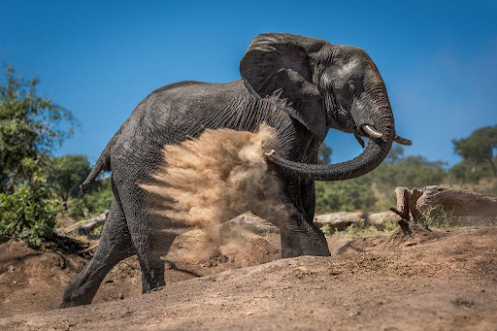
As we reflect on an unforgettable year, we warmly invite you to turn your dreams of exploring Tanzania into reality in 2025. Whether you’re seeking thrilling wildlife encounters, rich cultural experiences, or a serene beach escape, Tanzania promises adventures that will stay with you forever.
Thank you for making Tanzania your destination. We can’t wait to welcome you back in 2025 and beyond!
Karibu Tanzania – Your next adventure awaits!
Religion in Tanzania: A Statistical and Cultural Overview
Tanzania, a country celebrated for its natural wonders and cultural diversity, is also a fascinating tapestry of religious beliefs. The nation’s religious landscape reflects centuries of history, trade, and cultural exchange, fostering harmony among its people. Here’s a detailed overview of religion in Tanzania, exploring its statistical composition, cultural significance, and historical context.

1.
Statistical Overview of Religion in Tanzania
Tanzania’s population of over 65
million people practices a variety of religions, with the major faiths being:
- Christianity: Approximately 63% of the population adheres to
Christianity, making it the largest religious group. The faith includes
various denominations, such as Catholicism, Protestantism, and Evangelical
movements.
- Islam:
Around 34% of Tanzanians are Muslim, with Sunni Islam being the dominant
sect. Coastal areas, such as Zanzibar and Dar es Salaam, have a higher
concentration of Muslim communities due to historical trade connections
with the Arab world.
- Traditional African Religions: A smaller percentage of the
population continues to practice indigenous beliefs, often integrating
them with Christianity or Islam.
- Other Religions: Small communities of Hindus,
Buddhists, and followers of the Baha’i faith also exist, primarily among
expatriates and descendants of South Asian immigrants.
2.
Religious Harmony in Tanzania
Tanzania is renowned for its
religious tolerance and peaceful coexistence. Interfaith dialogues and shared
cultural practices contribute to this harmony, with communities often
celebrating each other’s religious festivals, such as:
- Eid al-Fitr and Eid al-Adha: Celebrated by Muslims and
often joined by Christian neighbors.
- Christmas and Easter: Observed by Christians with a
festive spirit that transcends religious boundaries.
3.
The Historical Context of Religion in Tanzania
Tanzania’s religious diversity is
deeply rooted in its history:
- Indigenous Beliefs: Before foreign influences,
many ethnic groups practiced animism, worshiping ancestral spirits and
nature deities.
- Islamic Influence: Beginning in the 8th century,
Arab traders introduced Islam along the Swahili Coast. Zanzibar became a
hub for Islamic learning and culture.
- Christian Missionaries: In the 19th century, European
missionaries brought Christianity, particularly during the German and
British colonial periods. Churches and mission schools played a
significant role in spreading the faith.
4.
Cultural Impact of Religion
Religion influences various aspects
of Tanzanian life, including:
- Architecture: The coastal regions are dotted with historic
mosques, such as the 12th-century Kizimkazi Mosque in Zanzibar. Inland,
you’ll find grand cathedrals and mission-built churches.
- Festivals: Religious events are integral to the cultural
calendar, with vibrant celebrations that include traditional music, dance,
and feasts.
- Education and Healthcare: Many religious institutions
run schools and hospitals, significantly contributing to Tanzania’s social
development.
5.
Zanzibar: A Unique Blend of Faiths
Zanzibar, part of the United
Republic of Tanzania, is predominantly Muslim (over 95%). The archipelago is a
testament to the blending of Arab, Persian, Indian, and African cultures,
creating a rich religious and cultural heritage.
6.
Religion in Daily Life
Faith plays a central role in the
daily lives of Tanzanians:
- Prayers:
Call to prayer (adhan) echoes from mosques, while church bells ring on
Sundays.
- Dress:
Modesty is valued, particularly in Muslim-majority areas, where women
often wear hijabs, and men don traditional kanzus.
- Customs:
Blessings are sought for significant events like weddings, births, and new
ventures.
7.
Challenges and Opportunities
While Tanzania enjoys religious
harmony, challenges such as economic disparities and political misuse of
religion occasionally arise. However, initiatives promoting interfaith
cooperation and education continue to strengthen unity.
Experience
Tanzania’s Religious and Cultural Richness
Exploring Tanzania’s religious
diversity offers travelers a deeper understanding of its history and culture.
Whether it’s visiting Zanzibar’s historic mosques, marveling at colonial-era cathedrals,
or engaging with local traditions, the spiritual heartbeat of Tanzania is
impossible to miss.
📩 Ready to discover Tanzania’s cultural treasures? Contact Northern Circuit Adventure to begin your journey today! - www.northerncircuitadventure.com - info@northerncircuitadventure.com